By Kim Kinsner, Contributing Writer
Some people race for the glory. Chris Olds races because he can’t imagine not doing it.
For 25 years, the Iron Dog — the world’s longest and toughest snowmobile race — has been his calling. He’s signed up 25 times, raced 23, and won four. He’s placed in the top five an astonishing 17 times. Those numbers alone would cement any racer’s legacy. But for Olds, the real story isn’t about the stats or the trophies. It’s about what happens in between — the grind, the grit, the obsession that keeps pulling him back to Alaska’s unforgiving wilderness year after year.
“It’s an addiction,” he says simply. “It’s fun, it’s adventurous — every year I still want to go back.”
The Making of a Racer
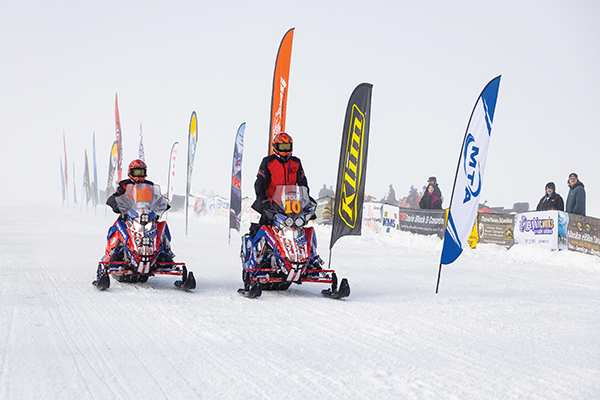
Olds didn’t even start riding snowmachines until his mid-twenties. “I was around them,” he says, “but I wasn’t one of those kids who grew up racing across frozen rivers.”
That changed in his early twenties and discovered freedom on snow. “Once I started riding, everything opened up,” he recalls. “You could go anywhere — lakes, rivers, mountains. It was pure freedom.”
A few years later, he read an article about the Iron Dog, a race that stretched 2,000 miles across the Alaskan frontier. It wasn’t the competition that hooked him — it was the adventure. “I wasn’t a racer,” he says. “I just thought it sounded like an incredible way to see Alaska. That sense of exploration — that’s what got me.”
In 1998, Olds entered his first snowcross race and finished second in the pro class. “Right out of the gate, I was hooked,” he says. By 1999, he was racing every kind of event he could find — cross-country, hill climbs, snowcross. The next year, when a friend offered him $5,000 in sponsorship money to enter the Iron Dog, he didn’t hesitate. “I talked to a buddy about partnering up and we were all in, and the funny thing is we had no idea that $5,000 would barely scratch the surface,” he laughs.
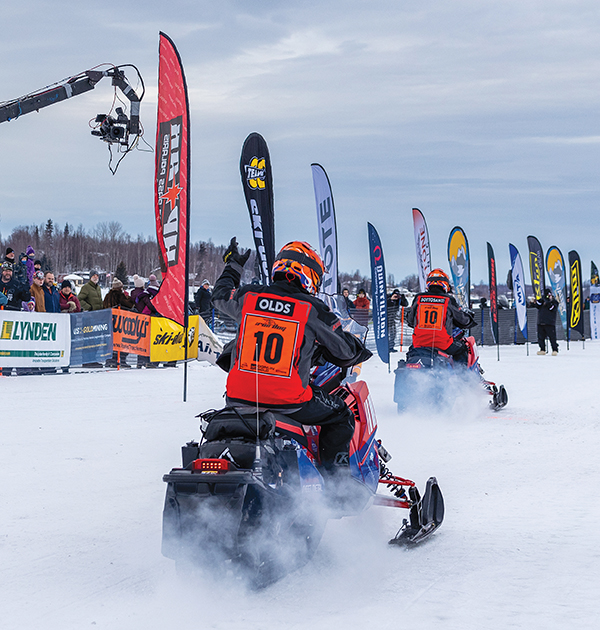
That first Iron Dog was a crash course in endurance, logistics, and humility. Olds and his partner ran in the top five until running out of fuel, finishing ninth. “You replay everything in your head — the what-ifs,” he says. “If we’d done this, if we’d done that. You finish knowing you can do better. And that’s what keeps you coming back.”
And he did come back. Every year.
The next few seasons were filled with close calls and near misses — running in the lead only to lose it to mechanical problems, or a crash, or a bad patch of luck. In 2003, the race was canceled. In 2004, his machine hit a rock so hard it crushed the steering and drive system. But by 2010, all that perseverance paid off.
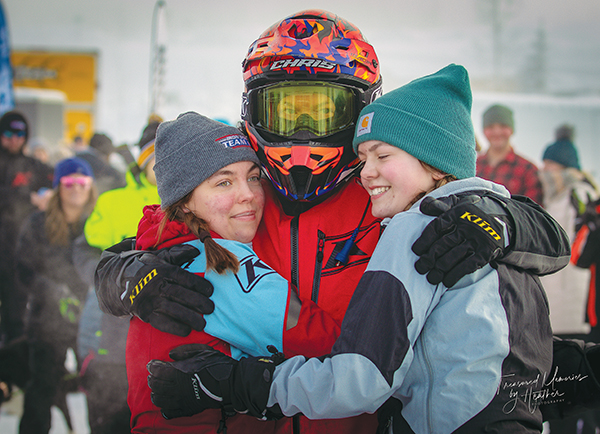
That year, Olds and his partner crossed the finish line first. “It was an amazing feeling,” he says. “We’d put in so much work. Everything just came together.”
A year later, they won again — back-to-back champions in the most brutal race on snow. “That second win meant everything,” he says. “It proved the first one wasn’t a fluke. That was the most gratifying of all.”

A Race Unlike Any Other
The Iron Dog covers seemingly endless miles of deep snow, open tundra, and frozen rivers — conditions that test every muscle, every nerve, and every decision a rider makes. And it’s different every year due to weather conditions and the terrain.
“You have to be a mechanic, a navigator, and an endurance athlete all at once,” Olds says. “If something breaks, you fix it. If visibility drops, you trust your instincts. And you can’t ride beyond your ability. The trail punishes mistakes.”
Some years it’s the body that takes the beating. “The first day is always tough — getting to McGrath is rough and bumpy, and you’re fighting to stay loose,” he explains. “Other times, it’s mental. You’re running wide open for 100 miles at a time. You can’t lose focus. There’s no room for second-guessing.”
He remembers what veterans used to tell him early on. “They said, ‘You’ll feel like you’ve been spanked a thousand times.’ They weren’t kidding.”
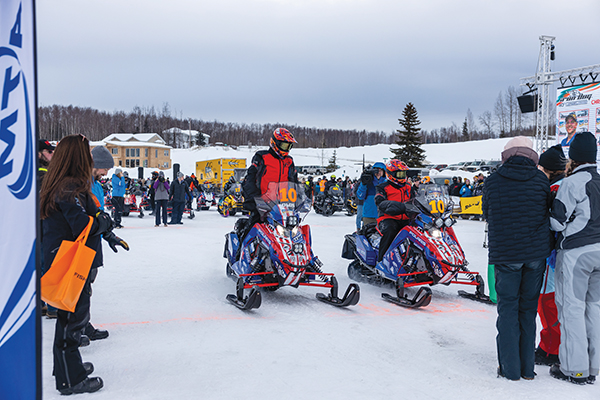
Even after breaking his back and missing last year’s race, Olds is already looking ahead. “It’s hard to sit one out,” he admits. “This race has a way of calling you back.”
That drive has made him not only one of the most decorated racers in Iron Dog history but also one of its most respected mentors. In 2007, he and a friend launched the Rookie Workshop, a hands-on training session designed to help first-time racers prepare for the realities of the trail — from clothing and nutrition to mental strategy.
“When I started, there wasn’t much information out there,” he says. “We wanted to change that — to give new teams the right tools and the right mindset. I want everyone to be successful.”
His advice to rookies is practical, hard-earned, and humble: “Keep it simple. Don’t chase a win; chase a finish. Ask questions. Stick to what you know works. And when things go wrong — and they will — stay calm, fix it, and get back on the trail. Everyone goes through it. The key is to just keep moving forward.”
Training for the Long Game
When asked how he trains, he says he ramps up each fall with a mix of cardio, endurance, and long-distance rides. “You can’t substitute time on the sled,” he says. “You have to be out there.”
He’s learned to balance conditioning with preparation. “You don’t want to be too lean — you need reserves out there,” he says. “It’s endurance over aesthetics.”
That pragmatism extends to every part of his preparation, and it doesn’t deviate much. “Once I know what works, I stick with it,” he said. You never want to be trying something new on race day. People do that and it always comes back to bite them.”
After more than two decades, countless miles, and a lifetime of lessons, Olds remains as humble as ever. “You never master this race,” he says. “Every year it teaches you something new.”
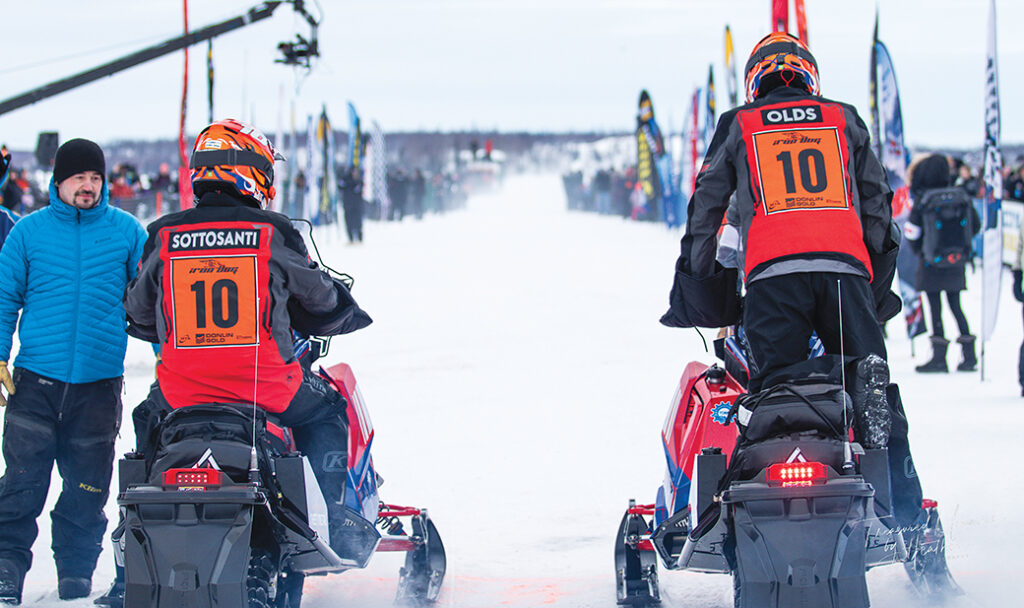
For him, the Iron Dog is less about finishing first and more about what it reveals — resilience, patience, and the sheer will to keep going. And he isn’t done learning yet. In 2026, Olds will return to the starting line for the 24th time, teaming up with fellow veteran Ryan Sottosanti.
“To me, it’s still about the adventure,” he says. “The Iron Dog pushes you, humbles you, and reminds you what you’re capable of. That’s why I keep coming back.” •