
By Karen Middendorp, Executive Director, MISORVA
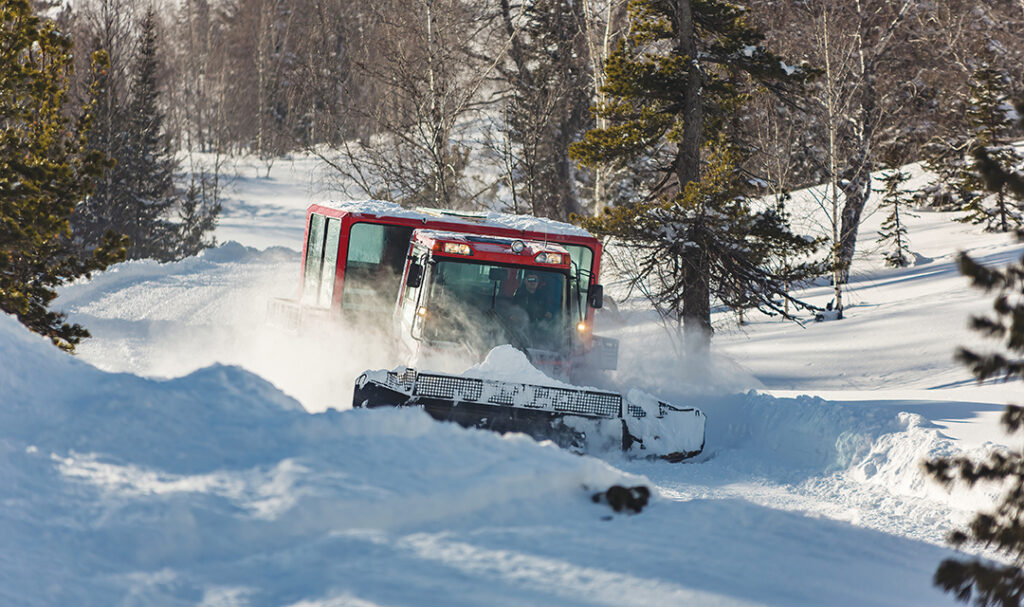
This year, after the storm damage was accounted for, and the exhausted volunteers cleared away the downed trees, and while these numbers do not account for the appropriation that DNR uses to administer the program $500,000 of your snow trail permit dollars was allocated for trail repairs, and $1.3 million for new equipment purchases. Funding includes replacement of a groomer lost in a fire, three additional groomers, and six new drags to help maintain Michigan’s statewide trail network. The Snowmobile Advisory Equipment Subcommittee collaborated closely with DNR partners through several joint meetings to determine which clubs required new equipment. In addition, $200,000 remains in contingency for unexpected costs that we all know can arise.
In December 2024, in typical annual fashion, a memo from DNR set the grooming reimbursement rate at $5.16 per mile last season, broken down as follows:
• $2.15 – Labor
• $0.62 – Per mile grooming rate
• $2.39 – Fuel
So with that knowledge, at $52. per permit, how many miles do you pay for?
Grooming Program Accountability: Where is the money being spent?
Without complete documentation, the DNR and advisory committees cannot justify potential increases in reimbursement rates. And while paperwork may seem tedious, it’s a critical piece of the program. Clubs spend hundreds of volunteer hours not only operating and maintaining equipment, but also managing the documentation that keeps the program running smoothly.
But what about clubs that don’t get enough of that “white gold”? Even without snow, they must still prepare the trails — brushing, signing, and repairing every mile in anticipation of a rideable season. These clubs continue to incur costs for equipment upkeep, yet those expenses often go unrecorded. Each club receives $90. per mile for the annual brushing and signing, as well as the grooming per diem mentioned above.
The reality is that the current program has its flaws, but working together — clubs, MISORVA, and the DNR — will ultimately lead to stronger accountability and better outcomes for everyone.
Our grooming clubs, both snow and dirt, rely on your continued support to keep the lights on and the barns heated. The program doesn’t buy barns. It doesn’t buy the tools, welders, or heaters that keep groomers running. Those essentials are purchased through spaghetti dinners, raffles, and community donations.
Although the new formula for the ORV program has yet to be revealed, we can assume it won’t cover these same expenses in the dirt community. Many clubs still operate without barns at all, working in the snow, rain, and occasional sunshine. These dedicated volunteers pour countless hours into keeping Michigan’s trails open, safe, and connected.
Remember — every piece of snow grooming equipment is purchased through your trail permit dollars, ensuring safe, well-maintained trails for all riders.
For that commitment, we are deeply grateful.
2026 Groomer Workshop
Dates: February 24–26, 2026
Host: Michigan Snowmobile & ORV Association (MISORVA)
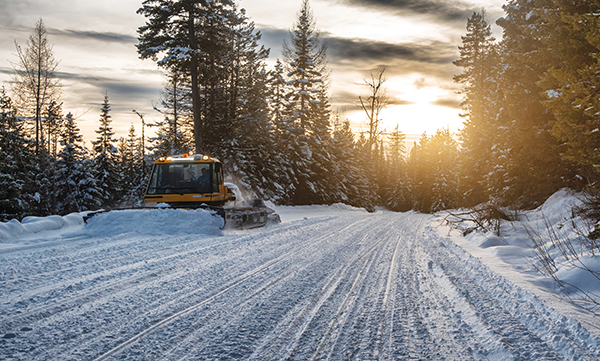
Planning is underway for the 2026 Groomer Workshop, an annual educational event targeting snow trail groomer clubs and their volunteers. The workshop brings together snowmobile clubs from across Michigan to share best practices, discuss challenges, and strengthen our trail program. MISORVA has proudly hosted this event for many years, with attendance growing steadily.
This year’s workshop will once again include DNR partners, working alongside clubs to refine statewide best practices. Attendees will receive updates on new paperwork requirements, grooming “do’s and don’ts,” and equipment maintenance standards.
Again this year, MISORVA has secured grant funds to cover registration for 4 club members to attend this event. Donations are always welcome and encouraged!
Legislative Rides and Advocacy
MISORVA and our lobbyist are currently planning a Legislative Snowmobile Ride to give elected officials firsthand experience of the snowmobile community and its economic impact. A Legislative ORV Ride will follow soon after.
Every rider contributes to Michigan’s economy — spending money on gas, food, lodging, and repairs. These dollars support small towns, motels, restaurants, and local gas stations across the state.
You can help make these advocacy rides possible! Donations are needed to cover fuel, lodging, and transportation costs for volunteers who haul equipment and educate our legislators.
Please send your donation, clearly marked “Legislative Ride,” or “Groomer Workshop” to: MISORVA, 4543 Division Ave S, Wyoming, MI 49548.
Why MISORVA Matters
MISORVA’s work extends far beyond the trails. Our members proudly serve on the Snowmobile Advisory Workgroup (SAW), ORV Advisory Workgroup (ORVAW), and the Michigan Trails Advisory Council (MTAC) — where all user groups come together to protect volunteers, improve programs, and promote fair recreation policy.
Currently, the ORV Advisory Workgroup is developing a new funding formula to better support equipment purchases and improve maintenance efficiency. Groups like the Cycle Conservation Club (CCC) have long led by example in maintaining and modernizing their fleets — a model all programs can learn from as motorized recreation continues to grow rapidly across Michigan.
Both SAW and MISORVA remain steadfast in our commitment to accountability, transparency, and volunteer protection — the foundation that keeps Michigan’s trail system one of the best in the nation.
But ask yourself — what happens if MISORVA goes away? Who will attend DNR meetings? Who will protect the voices of riders, clubs, and volunteers? Without representation, the DNR becomes the only voice deciding how — and where — you recreate. Bring your voice to MISORVA and make your presence known! ν