
Karen Middendorp, Executive Director MISORV
We are here for the marathon, not just the sprint. Motorized recreation continues to grow, and with a great winter season behind us, many of us are now transitioning from the seat of our snowmobiles to our ORVs.
As we make that seasonal shift, I want to encourage each of you to take the time to get to know the people you vote for. MISORVA is your voice to legislators, but your elected officials are the only true oversight of the DNR. That matters. Who helps educate legislators on motorized recreation, trail programs, and the real-world impact of their decisions? MISORVA does.
From an office in Lansing, the view of the trails is nonexistent. Some legislators are enthusiasts themselves, and they understand the bigger picture. But that does not remove the responsibility from the rest of us. Users must remain diligent in understanding the laws, protecting our rights, and respecting the rights of others.
This winter, with the exceptional snowfall, clubs were working nonstop to keep up with trail conditions. It was disappointing to see riders criticizing clubs and trail maintenance efforts without understanding the challenges behind the scenes. Social media can be vicious. It gives people a platform to say things they likely would never say face-to-face, or even under their breath. We need to do better.
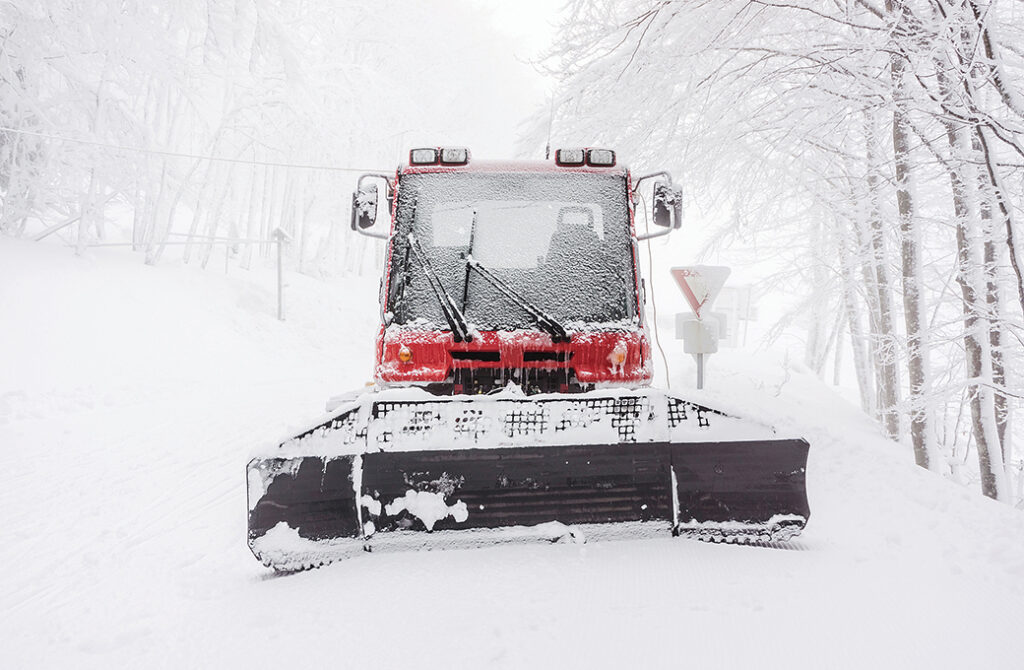
We need to be grateful for the hardworking volunteers who make this program possible. There is not one group involved in this program that does not want to produce the best trail possible. But many factors can affect the outcome. Equipment failures happen. Operators become unavailable for any number of reasons. Weather changes quickly. Breakdowns, scheduling issues, and volunteer shortages are all realities of a program built largely on volunteer time and dedication.
The knowledge and experience that built this program are aging out. We need new volunteers to step up, learn the ropes, and be ready to take the reins. Transitions are never easy. They are difficult for those who are not yet ready to step away, and just as difficult for newer volunteers trying to find the time and confidence to get involved.
This season, grant sponsors lost a valued mentor in a tragic accident — someone who had been a resource to many clubs, offering guidance on everything from mechanical issues to program questions to boots-on-the-ground trail work. Losses like that can happen to any club, at any time. A lengthy illness early in the season can take an operator out of the driver’s seat. When that happens, the remaining volunteers must pick up extra shifts and carry a heavier load to keep the schedule moving.
That is why we must choose gratitude over criticism.
Behind every groomed trail, every repaired section, every cleared hazard, and every mile maintained, there are people giving their time, their energy, and often their own resources to keep this program going. They do it because they care deeply about the sport, the trails, and the future of recreation in Michigan.
We also need to remember that the future of this program depends on more than permits and equipment. It depends on people. It depends on respect. It depends on users who are willing to become involved, support the organizations that advocate for them, and understand that this work is a long-term commitment.
Motorized recreation is growing. The demands on the system are growing with it. That means all of us — riders, volunteers, clubs, and advocates — must keep working together to protect and strengthen what we have built.
Be involved. Be informed. Be thankful. And when the opportunity comes, be willing to help carry the program forward.